Community Events Built Around Safe Execution
Municipal, City & Public Events in Miami for festivals, civic gatherings, and large-scale public celebrations
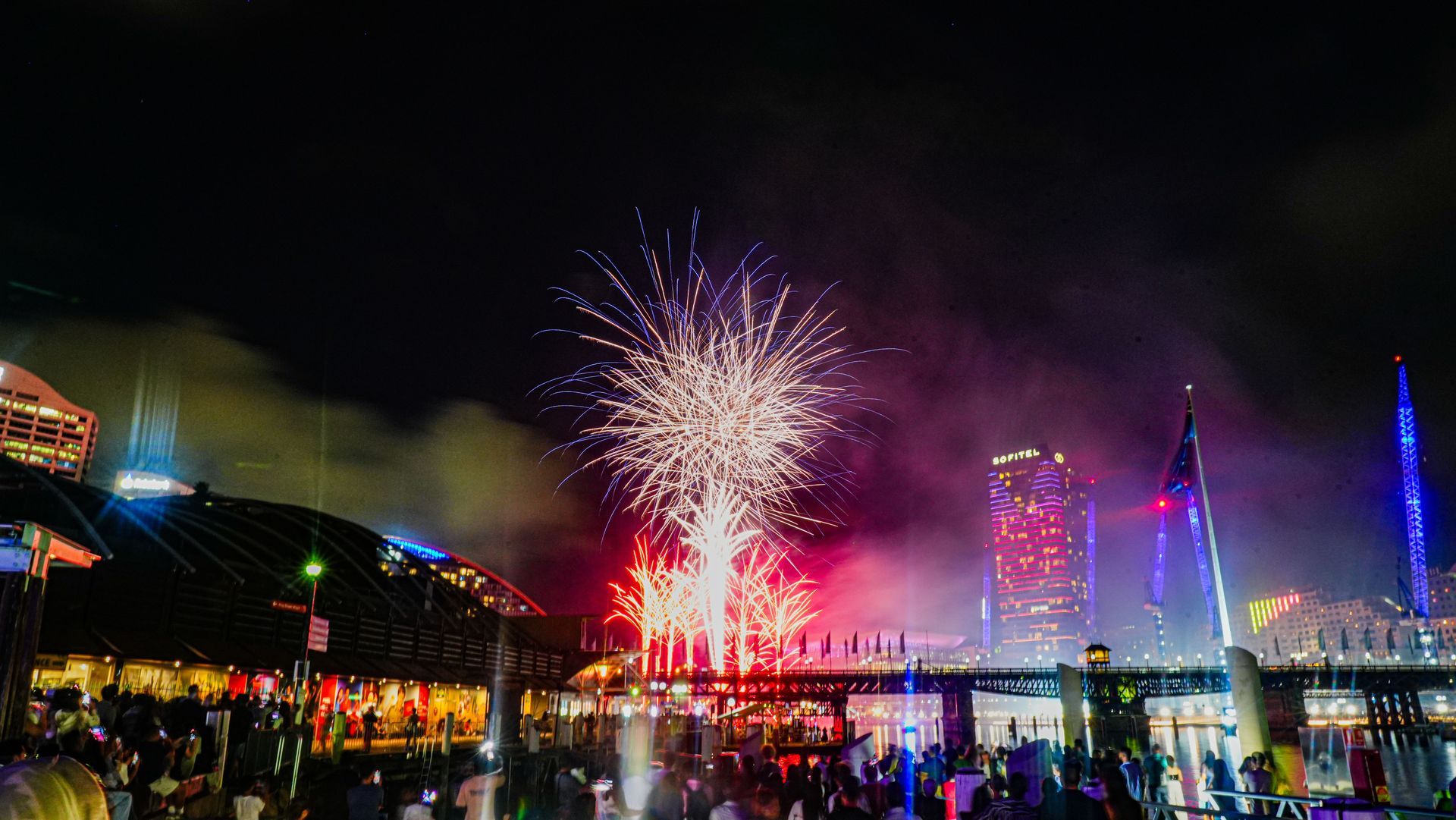
Fireworks Over Miami produces municipal and public fireworks displays built around coordinated firing, permitting, and safety protocols designed for large-audience viewing. Civic celebrations demand controlled production environments where spectators, event staff, and public infrastructure are all accounted for during setup, firing, and teardown. Event organizers working with public venues rely on production partners who understand site access, electrical firing systems, and regulatory compliance before the first shell leaves the mortar.
These productions involve selecting appropriate firing locations based on crowd positioning, evaluating fallout zones, securing municipal permits, and coordinating with public safety officials. Site selection determines the type of effects that can be fired, the layout of the launch area, and the buffer zones required between mortars and viewing areas.
Request a planning consultation to outline the venue footprint, expected attendance, and event timeline.
What Proper Public Fireworks Displays Require
Municipal displays rely on electrically fired ignition systems that allow operators to control the sequence, timing, and intensity of each effect from a safe firing distance. This approach removes manual lighting from the production process and creates consistent timing across multiple launch positions, which matters when shows are synchronized with music, speeches, or ceremonial moments.
After the show concludes, you'll notice that spectators leave with a clear finale memory, the site is returned to its original condition, and debris is removed from firing and fallout areas. Fireworks Over Miami coordinates cleanup as part of the production schedule so municipalities and organizers do not inherit post-event site management.
Public events also require advance coordination with local fire departments, law enforcement, and event operations teams. Permitting timelines vary depending on jurisdiction, so production planning should begin weeks or months before the event date to allow time for inspections, site reviews, and approvals.
Questions Before Planning Your Public Display
Event planners and municipal staff often ask about timelines, site suitability, and regulatory requirements before committing to a fireworks production.
What determines whether a public site is suitable for fireworks?
Site suitability depends on fallout zone clearances, proximity to buildings or roadways, access for equipment transport, and whether spectators can be positioned at a safe viewing distance. Miami venues near waterfront areas often provide larger buffer zones than landlocked parks.
How early should municipalities begin planning for civic celebrations?
Planning should begin at least eight to twelve weeks before the event to allow time for permitting, site inspections, coordination with public safety officials, and scheduling production resources during high-demand periods.
What does electrically fired execution involve?
Electrically fired systems use wired igniters connected to a firing console that allows operators to trigger shells remotely and in precise sequence. This method provides consistent timing and removes the need for manual lighting at the mortar line.
What happens during setup and cleanup?
Setup includes transporting mortars, wiring electrical systems, positioning shells, and conducting safety inspections. Cleanup involves collecting spent mortars, removing debris from firing and fallout zones, and restoring the site to its original condition.
Why do viewing areas affect the type of display that can be produced?
Viewing distance determines the size and height of effects that will be visible and safe. Closer audiences require lower-altitude shells with tighter fallout patterns, while distant viewing areas allow for larger aerial effects.
Fireworks Over Miami works with municipalities and event organizers to match production scope with site conditions and audience expectations. Share your event details, venue layout, and anticipated attendance to begin planning a display that meets public safety standards and ceremonial goals.